
Why iPhone Screen Repair Requires Proper Technique and OEM-Grade Parts
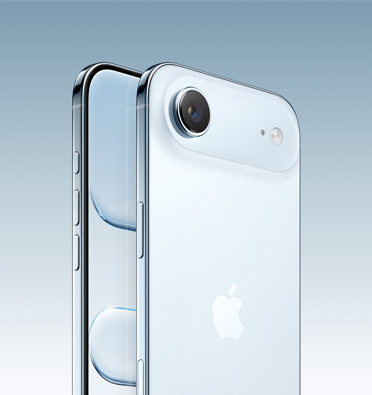
iPhone screens are some of the most advanced smartphone displays in the world. From Apple’s Super Retina XDR OLED to earlier LCD Retina panels, every generation has a unique layered structure that makes the screen extremely sensitive to heat, pressure, and improper handling.
Modern iPhone displays include:
- Laminated OLED or LCD panel
- Touch digitizer layer
- Polarizer film
- True Tone light sensor calibration
- Face ID sensor linkage (on supported models)
- Adhesive compression seal for water resistance
Because of these changes, poor repair techniques can easily cause:
Ghost touch
Dim or discolored screen
No display but the phone is on
Loss of True Tone
Touch delay
Screen lifting or poor frame fit
Face ID damage (if sensitive cables are torn)
A proper iPhone screen repair demands:
Controlled heat removal
OEM-grade or OEM-spec replacement parts
Exact frame cleaning
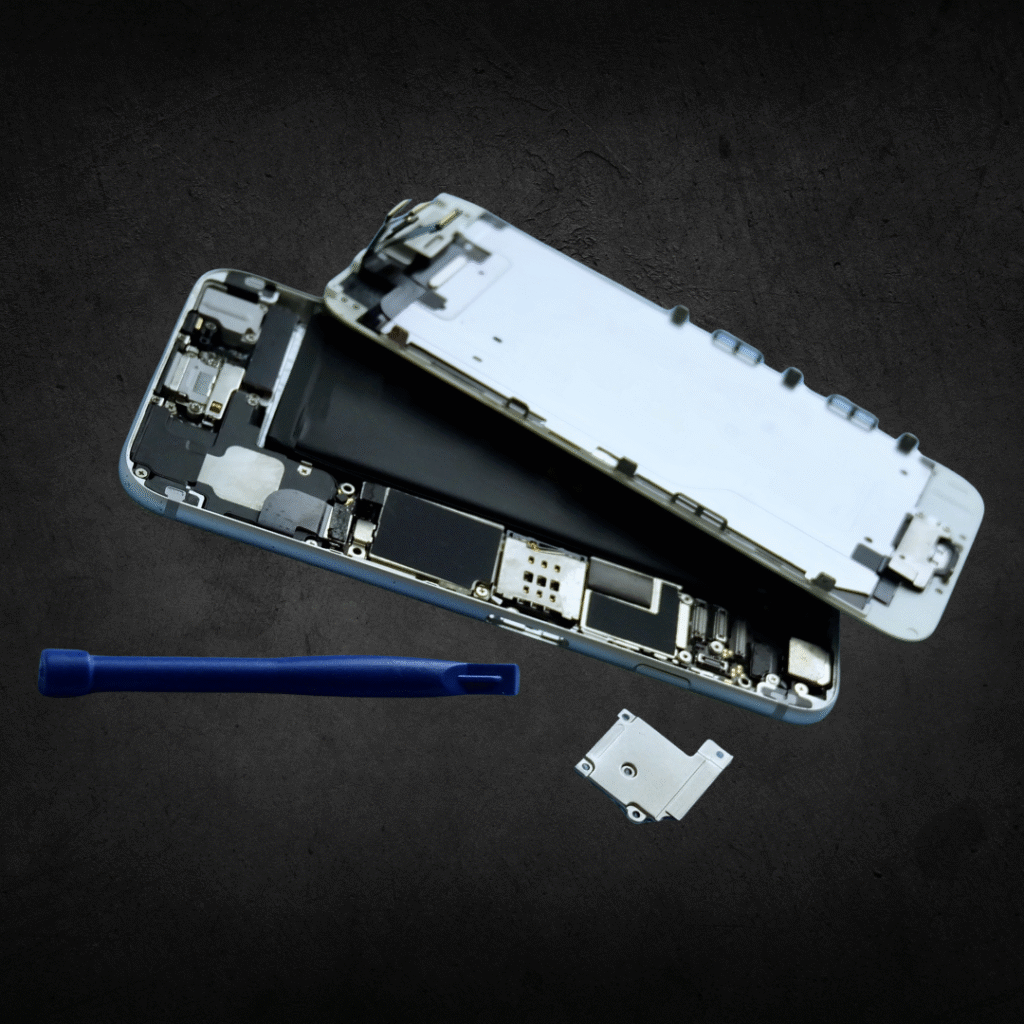
Sensor-safe disassembly
True Tone data transfer (where supported)
Skipping any of these steps leads to poor performance or long-term failure.
What Makes Our iPhone Screen Repairs Different
Not all screens are equal. Cheap aftermarket displays cause brightness issues, poor color accuracy, and short lifespan. Our process ensures that the repaired iPhone looks and feels like it did out of the box.
Our iPhone screen repairs include:
OEM-grade LCD or OLED screens depending on the model
True Tone retention using proper calibration steps
Sensor-safe removal to avoid Face ID or proximity sensor damage
Frame cleaning to ensure proper screen fit
New waterproof seals to restore device integrity
Touch + color accuracy testing on every repair
What cheap repair shops often do:
Install low-quality LCD panels on OLED models
Skip frame cleaning (leading to lifted screens)
Reuse old adhesive
Ignore True Tone transfer
Overheat the display during removal
Our process prevents these problems by following Apple-level procedure.
Complete Breakdown of iPhone Screen Repair Services
Below is a clear breakdown of what your iPhone screen repair includes and the issues it solves.
What a Screen Repair Fixes
Cracked or shattered glass
Unresponsive touch
Vertical/horizontal lines
Flickering or dimming
Green/purple lines
No display (black screen)
Color distortion
Ghost touch or random tapping
We fix every iPhone model, including:
iPhone 6, 7, 8, SE
iPhone X, XR, XS, XS Max
iPhone 11, 11 Pro, 11 Pro Max
iPhone 12, 12 Mini, 12 Pro, 12 Pro Max
iPhone 13, 13 Mini, 13 Pro, 13 Pro Max
iPhone 14, 14 Plus, 14 Pro, 14 Pro Max
iPhone 15, 15 Plus, 15 Pro, 15 Pro Max
iPhone 16 and 17 series
OLED vs LCD – What You Should Know
Many models originally use OLED, which provides:
Better brightness
Higher contrast
Deeper blacks
Faster touch response
Cheap repairs replace OLED with LCD, causing:
Washed-out colors
Slow touch
Thicker display feel
Higher battery drain
We use OEM-grade parts to avoid these issues.
iPhone Screen Repair Process (Step-by-Step)
A correct repair follows a structured workflow:
1. Device Intake + Diagnostic Check
We check:
Touch response
Display health
Frame condition
Face ID / Touch ID functionality
True Tone status
2. Heat-Controlled Screen Removal
We apply controlled heat to soften adhesive without damaging:
OLED layers
Sensors
Flex cables
3. Cleaning and Frame Prep
We remove old adhesive and ensure the frame is perfectly flat.
4. Installing the OEM-Grade Replacement Screen
Exact pressure and alignment are applied.
5. True Tone Calibration
True Tone data is transferred (when supported) so colors stay natural.
6. Functionality Testing
We test:
Touch
Brightness
Face ID
Color accuracy
Button + sensor response
7. Resealing and Final Assembly
A new seal is applied to help maintain device integrity.
Helping Users Understand When They Need iPhone Screen Repair
People look for iPhone screen repair when:
Their phone becomes unsafe to use
Touch stops responding
Screen damage affects daily tasks
Display flickers or glitches
The screen looks black but the phone still vibrates or rings
Signs You Need a New Screen
You should have your screen repaired if:
Cracks continue spreading
Touch becomes inconsistent
Colors look off
There are bright spots or dark patches
Lines appear randomly
Pressing the screen causes ripple effects
A damaged screen can cause deeper issues if ignored.
Pricing Table
| Repair Type | Typical Price | Estimated Time |
|---|---|---|
LCD Screen Replacement (older models) |
$69–$129 |
30–45 minutes |
OLED Screen Replacement (X and up) |
$129–$279 |
45–60 minutes |
Premium OEM-Grade OLED |
$169–$349 |
45–60 minutes |
What Our Customers Say
"I dropped my iPhone, and the screen shattered from corner to corner. St. Louis Phone Factory replaced the screen the same day, and it looks just like the original. The touchscreen is smooth, and everything works perfectly again."
Proudly Serving St. Louis & Nearby Communities
Our primary service area covers St. Louis, Clayton, Richmond Heights, University City, Kirkwood, Brentwood, and Maplewood.
Customers reach us easily from Downtown St. Louis, Washington University in St. Louis, Saint Louis Galleria, and Forest Park via Interstate 64 (Highway 40), Interstate 44, and Interstate 170.
We also provide pickup and drop-off assistance for local offices and campus residents.